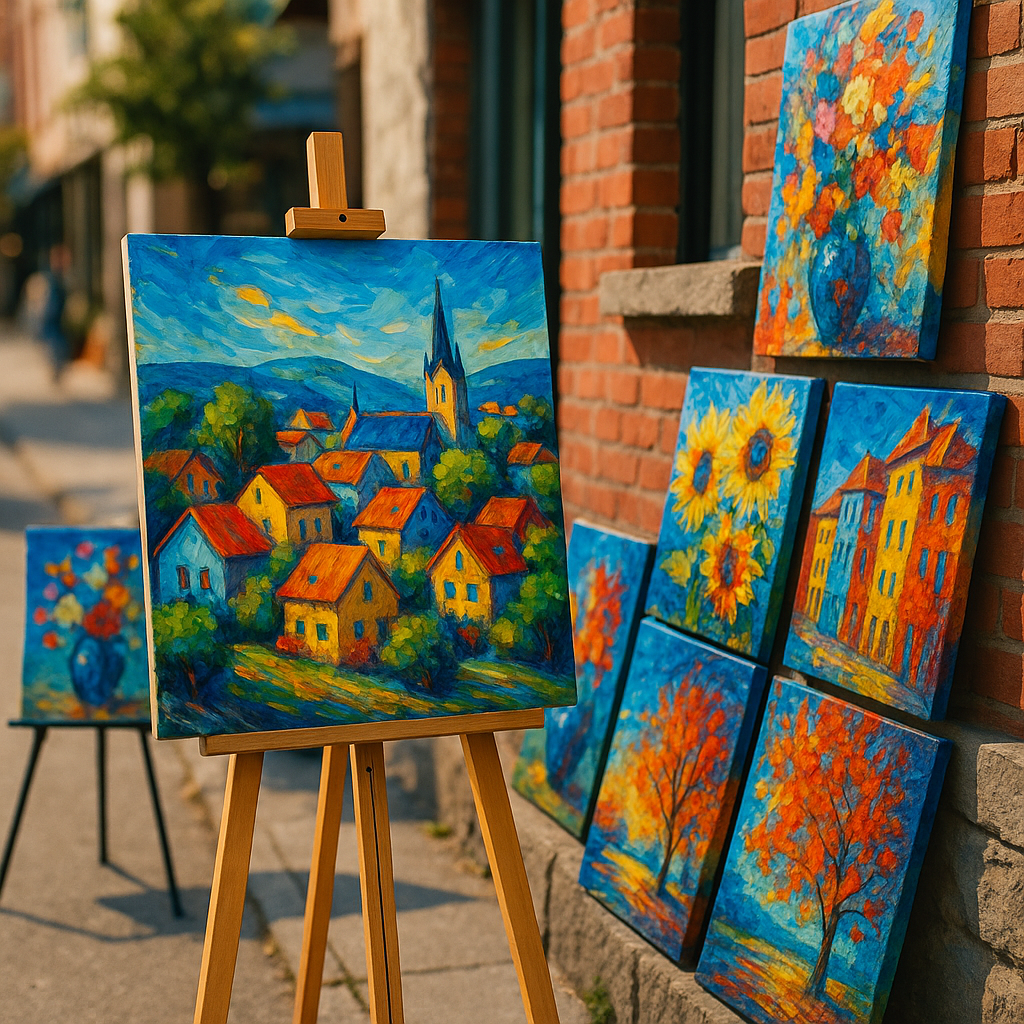
Local art is one of the most powerful yet under-recognised drivers of cultural identity, economic vitality, and community resilience. From murals that revitalise high streets to pop-up galleries that draw new visitors, local art has become a strategic asset for cities, towns, and neighbourhoods aiming to differentiate themselves and build a sense of place.
Local art refers to creative work produced by artists within a specific community or region and showcased in local venues, public spaces, and events. It transforms communities by strengthening cultural identity, increasing foot traffic and local spending, and creating new opportunities for collaboration between artists, businesses, and civic organisations.
In 2022, the global creative economy was valued at over $2.25 trillion according to UNESCO, and community-level initiatives play a critical role in this growth. Cities that invest strategically in local art report up to a 20–30% increase in cultural tourism, while neighbourhoods with active arts programmes have seen crime reductions of 5–10% through improved public realm use and social cohesion.
The Role of Local Art in Community Identity
Local art is a primary driver of community identity, anchoring stories, traditions, and shared experiences in visible, tangible forms. When residents regularly encounter local creative work in streets, cafes, libraries, and public buildings, they develop a stronger sense of belonging and pride in their neighbourhood.
How local art shapes a sense of place
Place branding agencies such as Brand Finance and Resonance Consultancy consistently highlight that unique visual culture is a key differentiator for cities and regions. Murals, sculptures, and installations created by local artists are not generic decorations; they reference local history, languages, and social narratives in ways that external commissions cannot.
For example, a mural series commissioned by a municipal council in partnership with local artists can depict historical events, local heroes, or indigenous stories. This not only creates recognisable landmarks but reinforces a shared narrative that residents can identify with. A 2020 survey by Americans for the Arts found that 67% of residents felt more attached to their community when they saw art that reflected local people and histories.

Cultural heritage, diversity, and representation
Local art scenes play an essential role in preserving cultural heritage and amplifying diverse voices. Organisations like UNESCO, the National Endowment for the Arts (NEA), and Creative Europe all emphasise that cultural diversity is strengthened when communities fund grassroots arts initiatives instead of relying solely on centralised institutions.
When local galleries or cultural centres organise exhibitions focused on underrepresented communities—such as migrant artists, indigenous groups, or youth—they contribute directly to social inclusion. This has measurable benefits: research by the UK’s Arts Council England shows that participation in community arts programmes increases social trust by approximately 12–15% and improves cross-cultural understanding.
Economic Impact of Local Art and Creative Industries
Local art is a measurable economic engine, generating revenue, jobs, and tourism that significantly benefit small businesses and local governments.
Local art as an economic driver
According to the U.S. Bureau of Economic Analysis (BEA), arts and cultural production contributed $919.7 billion—about 4.3% of GDP—to the U.S. economy in 2019. At the local level, this impact is felt through increased spending on dining, retail, accommodation, and transport around cultural venues and events.
The nonprofit research organisation SMU DataArts reports that for every $1 spent on a cultural event ticket, audiences spend an additional $31 on average in nearby businesses. This multiplier effect means that supporting local art is not a discretionary expense; it is an economic strategy that drives ancillary revenue for hospitality and retail sectors.
Art districts, festivals, and cultural tourism
Formalised arts districts and festivals can generate intensive bursts of local economic activity. Cities that have implemented structured arts districts in line with guidelines from UNESCO Creative Cities Network and UN-Habitat often report double-digit percentage increases in visitor numbers during major cultural events.
For instance, a mid-size city hosting a three-day local art festival with 50 participating artists might attract 10,000 visitors, resulting in an estimated $1–2 million in direct and indirect economic impact, depending on accommodation and spending patterns. Local tourism boards, using tools like Google Analytics and TripAdvisor Insights, frequently correlate spikes in hotel occupancy and restaurant reservations with major cultural events.
How to Discover Local Art in Your Area
Discovering local art is increasingly easy thanks to digital platforms, open data initiatives, and coordinated marketing by cultural organisations.
Using digital tools to find local artists and events
Digital platforms like Eventbrite, Facebook Events, and Meetup make it possible to search specifically for local art openings, workshops, and festivals using geo-targeted filters. City cultural directories, often integrated into official municipal websites, aggregate exhibitions, public art tours, and artist markets in one place.
Search engines and mapping tools such as Google Maps and Apple Maps can also be used strategically. Searching for terms like “gallery near me,” “art walk,” or “artisan market” reveals local art spaces you might otherwise overlook. Many cities further integrate public art into open data portals, allowing users to visualise murals, sculptures, and installations on interactive maps.

Visiting galleries, studios, and community spaces
Local art is not limited to formal galleries; it often thrives in hybrid spaces such as cafes, co-working hubs, libraries, and community centres. These venues provide low-barrier exhibition opportunities for emerging artists and make art accessible to audiences who may never visit traditional museums.
Studio tours—often branded as “open studios” or “art walks”—allow visitors to meet artists in their working environments. This direct engagement increases perceived value and trust, making buyers more likely to invest in original works. Research from TEFAF Art Market Report indicates that collectors who have met the artist are 40–50% more likely to purchase again in the future.
Supporting Local Artists and Creative Spaces
Supporting local art requires intentional choices by individuals, businesses, and public institutions, and it yields measurable cultural and economic returns.
Practical ways individuals can support local art
Individuals can support local art by purchasing works directly from artists, attending exhibitions, commissioning custom pieces, and sharing artists’ work through social media platforms like Instagram, Behance, and LinkedIn. Even modest purchases—prints, zines, or handcrafted objects—provide essential income and validation for emerging talent.
Subscribing to local arts newsletters, joining patron programmes, or donating to community arts organisations ensures sustainable funding. Many non-profits follow governance and reporting standards such as IFRS and GAAP, so supporters can see exactly how funds are allocated to programming and artist fees.
How businesses and institutions can invest strategically
Businesses and institutions can integrate local art into their brand and environment strategies. Commissioning local artists for office murals, lobby installations, or limited-edition packaging builds distinctive visual identities and signals community commitment. Corporate art programmes can align with ESG frameworks such as GRI Standards and SASB, demonstrating measurable contributions to social and cultural impact.
Some companies allocate a fixed percentage—often 0.5–1% of construction budgets—to public art, following “Percent for Art” policies adopted by many municipalities. This approach creates predictable, long-term demand for local artists and embeds creativity into the built environment.
Planning and Promoting Local Art Events
Effective planning and promotion are critical for ensuring that local art events reach audiences, generate revenue, and build sustainable momentum.
Best practices for organising local art events
Successful local art events follow structured project management principles, often guided by frameworks like PMI’s PMBOK or PRINCE2. Clear objectives, defined target audiences, detailed budgets, and risk assessments help organisers deliver on time and within scope.
Key operational steps include securing accessible venues, coordinating with local authorities for permits, ensuring insurance coverage, and implementing health and safety standards compliant with local regulations. Organisers can use tools like Trello, Asana, or Notion to coordinate teams and track timelines. Collecting data—such as attendance numbers, visitor demographics, and on-site spending—enables better evaluation and reporting to funders.
Marketing strategies for local art scenes
Digital marketing is essential for promoting local art. A combination of search engine optimisation (SEO), local SEO, and social media marketing is particularly effective. Using structured data (such as Schema.org Event markup) on event pages helps platforms like Google and Bing display rich snippets, increasing click-through rates.
In addition, creating event listings on platforms like Facebook, Instagram, and Eventbrite, and cross-promoting with local tourism boards, helps extend reach. Email campaigns managed via tools like Mailchimp or Campaign Monitor can achieve open rates of 25–35% for niche cultural audiences when subject lines are clear and time-sensitive.
Digital Platforms and Online Marketplaces for Local Art
Online platforms expand the reach of local art beyond geographic boundaries while still maintaining a strong connection to community identity.
Selling local art online
Artists increasingly use platforms such as Etsy, Shopify, Big Cartel, and Squarespace to sell directly to buyers worldwide. According to Etsy’s 2023 transparency report, over 7.9 million sellers use the platform, many of whom are small-scale artists and makers operating from local studios.
Implementing basic e-commerce best practices—high-resolution images, clear product descriptions, transparent shipping policies, and secure payment gateways (via Stripe or PayPal)—helps local artists convert website visitors into buyers. Using analytics tools like Google Analytics 4 (GA4) and Meta Pixel provides insight into audience behaviour and conversion funnels.
Balancing global reach with local authenticity
While online sales can scale revenue, maintaining a clear local identity differentiates artists in competitive markets. Storytelling—through about pages, process videos, and behind-the-scenes content—helps convey the specific context of the artist’s community, making their work more relatable and memorable.
Participating in hybrid models, such as local art fairs combined with livestreams on platforms like Instagram Live or YouTube, allows artists to engage both in-person and remote audiences. This blended approach aligns with trends reported by Art Basel & UBS Art Market Report, which notes that 36–40% of sales by value now involve some digital component.
Conclusion: Building a Sustainable Future for Local Art
Local art is a strategic asset that strengthens community identity, drives measurable economic growth, and fosters social cohesion. By recognising local art as essential infrastructure—rather than a peripheral amenity—residents, businesses, and policymakers can unlock long-term cultural and financial value.
Whether you are a community leader, a business owner, or simply a resident who cares about your neighbourhood, you can take immediate action: attend a local exhibition, commission a piece, allocate budget for public art, or collaborate with artists on your next project. The next time you see a mural, gallery storefront, or creative pop-up, remember that your engagement is not just appreciation—it is an investment in the sustainable future of your local art ecosystem.
Frequently Asked Questions
What is considered local art?
Local art is any creative work produced by artists who live or work within a specific community or region, and whose practice is meaningfully connected to that area. This includes paintings, murals, sculptures, photography, digital art, crafts, and performance, as long as the artist is rooted in the local context.
How does local art benefit the local economy?
Local art stimulates the economy by attracting visitors, increasing spending in nearby businesses, and creating jobs in creative industries. Studies show that arts audiences spend additional money on dining, retail, and transport, while cultural events can generate millions in direct and indirect economic impact for cities and towns.
How can I support local artists on a limited budget?
You can support local artists even with a small budget by buying prints or small works, attending free exhibitions, promoting their work on social media, joining mailing lists, and donating to community arts organisations. Even modest engagement helps artists build visibility, networks, and future opportunities.
What role do local governments play in supporting local art?
Local governments support local art by funding arts programmes, integrating public art into urban planning, offering grants and residencies, and adopting policies like “Percent for Art” that allocate a portion of construction budgets to cultural projects. They also collaborate with arts councils and community organisations to ensure equitable access to creative opportunities.